
Functional Radiotherapy Program
Chronic Joint Pain or Bursitis?
Whether it’s dancing, traveling, exercising, or simply enjoying time with family and friends, chronic pain can make everyday activities more difficult than they should be.
No Surgery
Completely non-invasive
No injections
No needles into painful areas
No downtime
Return to routine activities
Designed for Pain
Targets chronic inflammation
What Is Chronic Joint Pain?
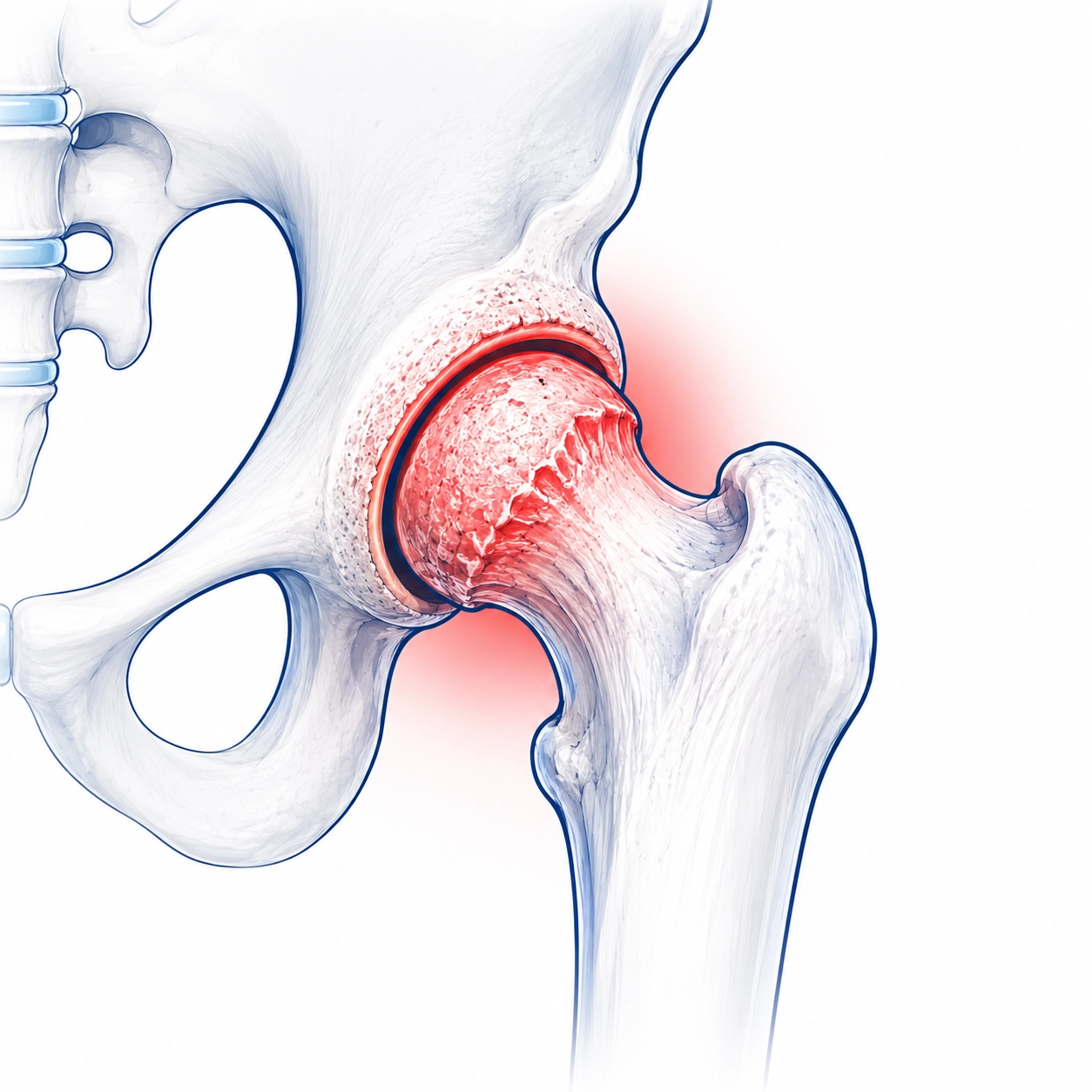
Chronic joint pain is ongoing discomfort that persists for months or even years. It can affect nearly any joint in the body, including the shoulders, hips, knees, elbows, hands, and feet.
Pain may develop from osteoarthritis, repetitive wear and tear, prior injuries, chronic inflammation, bursitis, or other musculoskeletal conditions. Regardless of the cause, persistent pain can gradually limit mobility, independence, and quality of life.
Many patients begin avoiding activities they once enjoyed because movement has become uncomfortable or unpredictable.
What Is Bursitis?
Bursae are small, fluid-filled sacs located throughout the body that help reduce friction between bones, muscles, tendons, and ligaments.
Bursitis occurs when one of these sacs becomes irritated or inflamed, leading to pain, swelling, tenderness, and limited movement. Common locations include the shoulder, hip, elbow, and knee.
Common Symptoms
- Persistent joint pain
- Pain with movement
- Tenderness around a joint
- Swelling or stiffness
- Reduced range of motion
- Difficulty walking, standing, exercising, or keeping up with normal activities
Current Treatments Compared With Low-Dose X-Rays
Most patients begin with conservative care. These treatments can be helpful, but some patients continue to experience symptoms despite months or even years of treatment.
Medications & Therapy
Anti-inflammatory medications, physical therapy, activity modification, bracing, ice, and heat may help reduce symptoms, but they may not provide enough relief for every patient.
Steroid Injections
Corticosteroid injections can help some patients, but relief may be temporary. They also involve needles into already painful or inflamed tissue and may require repeat treatment.
Low-Dose X-Rays
Low-Dose X-Rays are a non-invasive treatment designed to help reduce inflammation and chronic pain. Treatments are brief, painless, and require no anesthesia or recovery time.
A Different Approach to Chronic Pain
Low-Dose X-Rays may offer another option for patients struggling with chronic joint pain and inflammatory conditions such as bursitis.
Unlike injections, there are no needles. Unlike surgery, there are no incisions or recovery periods. Unlike medications, there is no daily medication schedule.
The goal is to help calm inflammation in the painful area so patients may move more comfortably and return to the activities they enjoy.
Why Patients Choose Low-Dose X-Rays
No surgery, anesthesia, or incisions
Appointments typically take only a few minutes
No downtime after treatment
No needles into painful or inflamed joints
Designed to help reduce inflammation
May help patients maintain mobility, independence, and quality of life
Move Better. Live Better.
Patients who continue to experience chronic joint pain or bursitis despite medications, physical therapy, injections, or other conservative treatments may be candidates for Low-Dose X-Rays. A consultation can help determine whether this treatment is appropriate for your specific condition.