
Functional Radiotherapy Program
Plantar Fasciitis Pain Shouldn’t Stop Your Life.
You have workouts to finish, errands to run, and a life to keep moving through. Low-Dose X-Rays may help reduce chronic heel and foot pain without surgery, injections, or downtime.
No Surgery
Completely non-invasive
No injections
No needles into the joint
No downtime
Return to routine activities
Designed for Pain
Targets inflammatory foot pain
What Is Plantar Fasciitis?
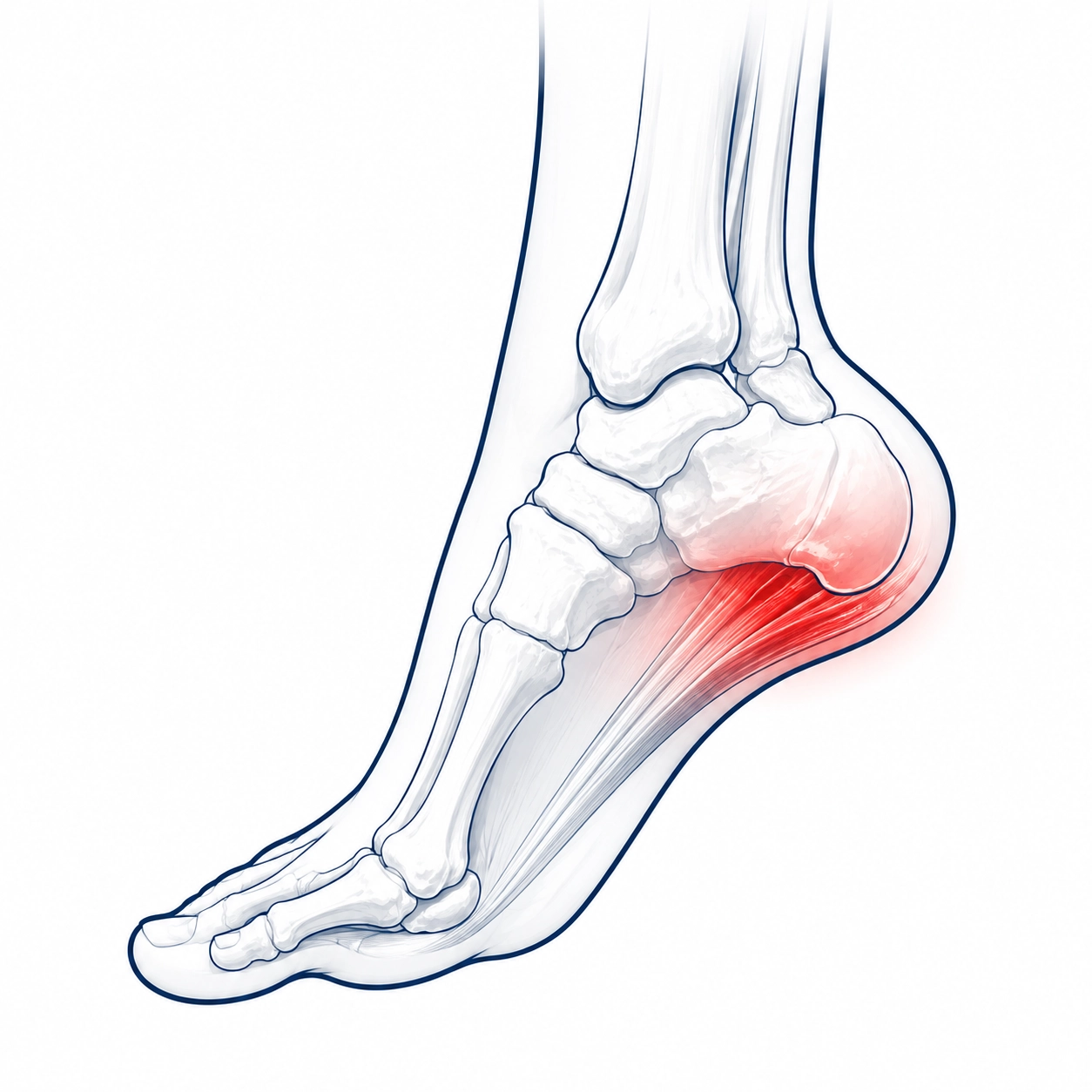
Plantar fasciitis is one of the most common causes of heel pain. It occurs when the plantar fascia, the thick band of tissue that supports the arch of the foot, becomes irritated, inflamed, or chronically painful.
For many people, plantar fasciitis causes sharp heel pain with the first steps in the morning, pain after standing, and discomfort during walking, exercise, work, or daily routines. It can turn normal movement into something patients start avoiding.
Plantar fasciitis is not just a sore foot. It is a real pain condition that can interfere with exercise, work, family activities, and quality of life.
Common Symptoms
Sharp heel pain, arch pain, tenderness on the bottom of the foot, pain with the first steps in the morning, and discomfort after standing or walking.
Common Pain Areas
The bottom of the heel, arch of the foot, and plantar fascia where chronic irritation and inflammation can make movement painful.
Current Treatments Compared With Low-Dose X-Rays
Most patients start with conservative care. These treatments can help, but they do not work for everyone. Low-Dose X-Rays may offer another option for patients who continue to have heel or foot pain despite stretching, orthotics, medications, injections, therapy, or lifestyle changes.
Pain Medications
Anti-inflammatory medications and pain relievers may provide temporary relief, but they often require ongoing use and may not be appropriate for every patient because of stomach, kidney, heart, liver, or medication-interaction concerns.
Steroid Injections
Steroid injections can reduce plantar fascia pain for some patients, but the benefit may wear off over time. They also involve needles, repeat appointments, and may not be ideal for every patient.
Low-Dose X-Rays
Low-Dose X-Rays use very small amounts of targeted radiation to help calm inflammation associated with chronic heel and foot pain. Treatments are brief, non-invasive, painless, and require no anesthesia or recovery time.
A Different Approach to Foot Pain
Low-Dose X-Rays are designed to fit between conservative care and more invasive procedures. For patients who are still hurting despite stretching, shoe inserts, physical therapy, medications, or injections, this treatment may provide another path forward.
The goal is not to mask pain for a few hours. The goal is to reduce inflammation in the painful area so patients may experience improved comfort, easier walking, and better participation in daily life.
Potential Benefits
No surgery or incisions
No anesthesia
May reduce inflammation and heel pain
No needles or joint injections
No downtime after treatment
May help patients walk more comfortably
Move Better. Live Better.
Patients with chronic plantar fasciitis pain who continue to experience symptoms despite conservative treatment may be candidates for Low-Dose X-Rays. A consultation can help determine whether this treatment is appropriate for your specific condition.